How (and When) to Livestream an Event

On the rare occasion that you happen to have a superstar keynote speaker and a large donor base that can’t all make it to your big event—you may consider a livestream online.

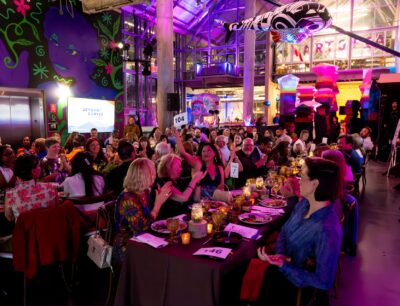
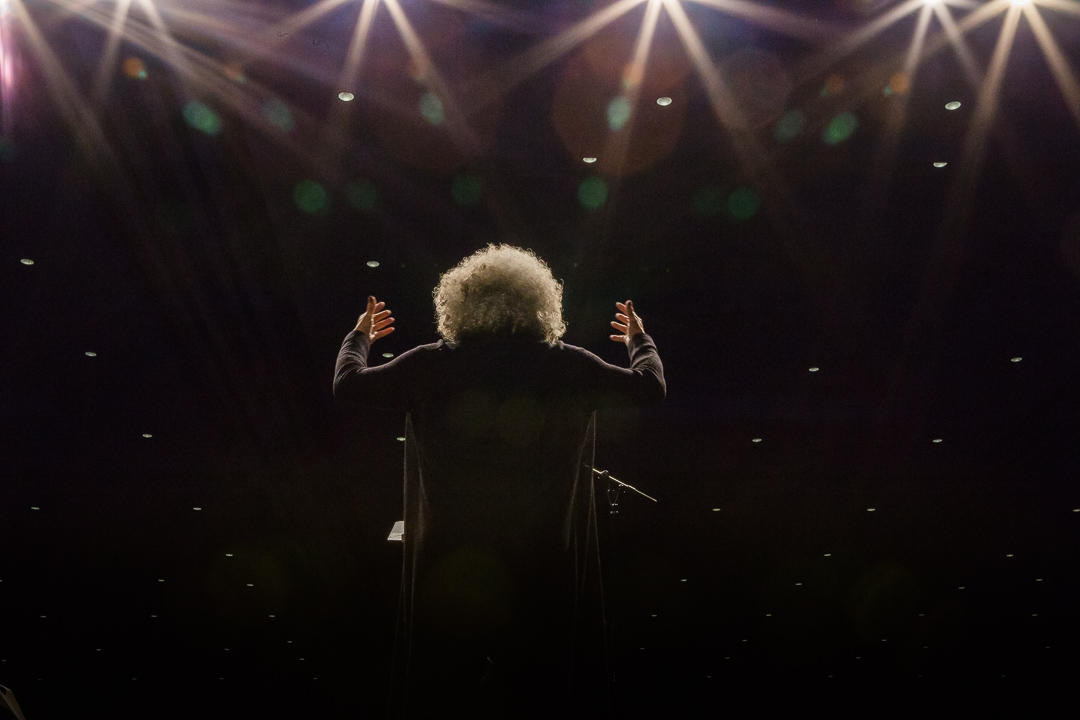
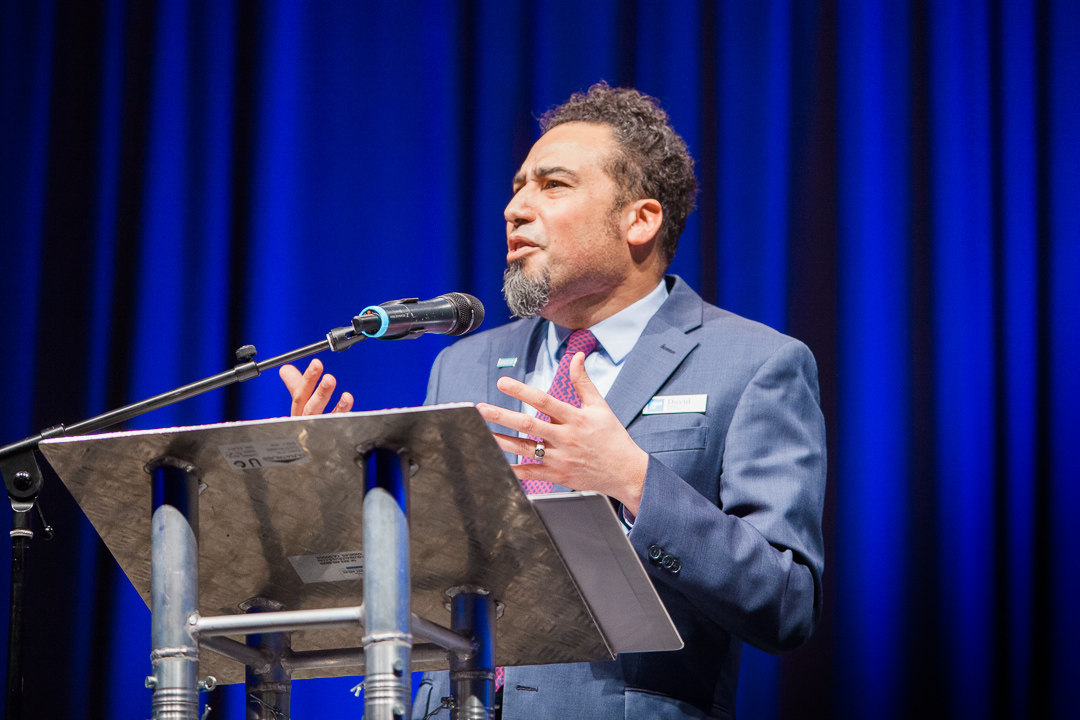
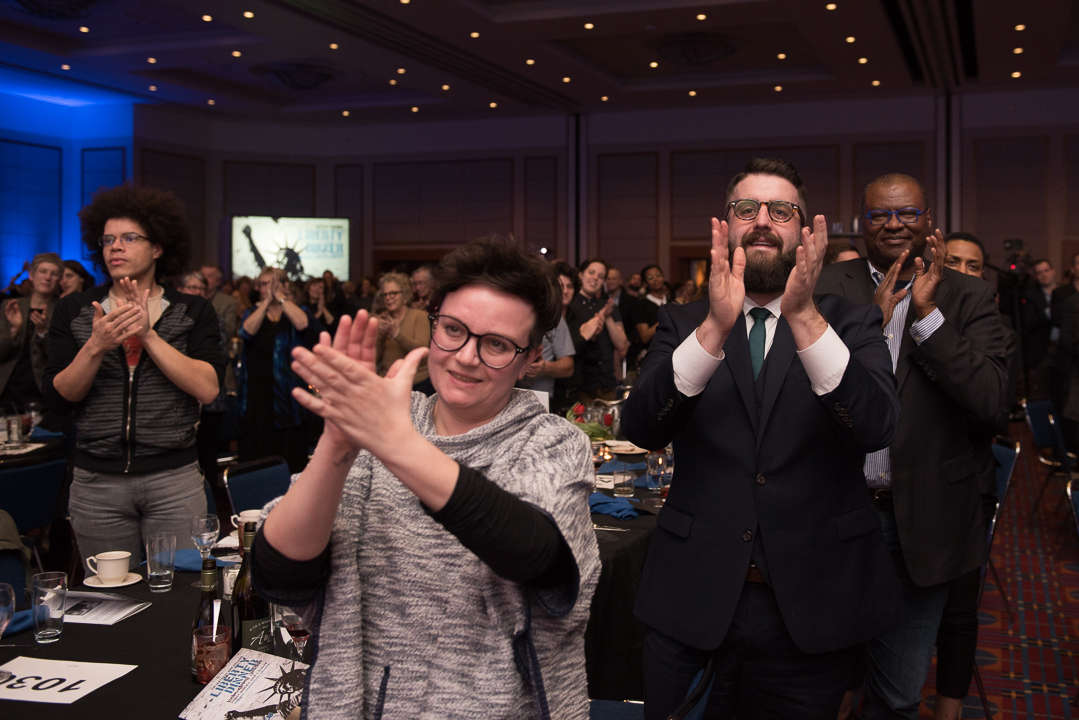
At this year’s Liberty Dinner, ACLU of Oregon’s annual major donor gala, the organization was faced with this exact conundrum. Their keynote speaker was none other than the Angela Davis—prominent scholar, writer, political activist and civil rights leader. Needless to say, they had a sold-out room and many of their supporters wanted a way to engage in their event, so they opted for a livestream.


As with many program elements, livestreaming presents opportunities and challenges. It has the potential to make a big event more accessible for a larger, more diverse audience, giving that audience of supporters a chance to engage with the content of the event. Essentially, it’s another opportunity for storytelling, and you can use it as a tool to also engage with key stakeholders you might not be able to at the event (sponsors, partners, etc.).

The biggest challenge with livestreaming the entirety of a gala—with a dinner, live auction and direct appeal—it won’t likely hold the attention of an online audience like it does the audience in the room. The key to livestreaming then becomes thinking of it like its own separate event with a host, speakers and tailored content to appeal to your online supporters.


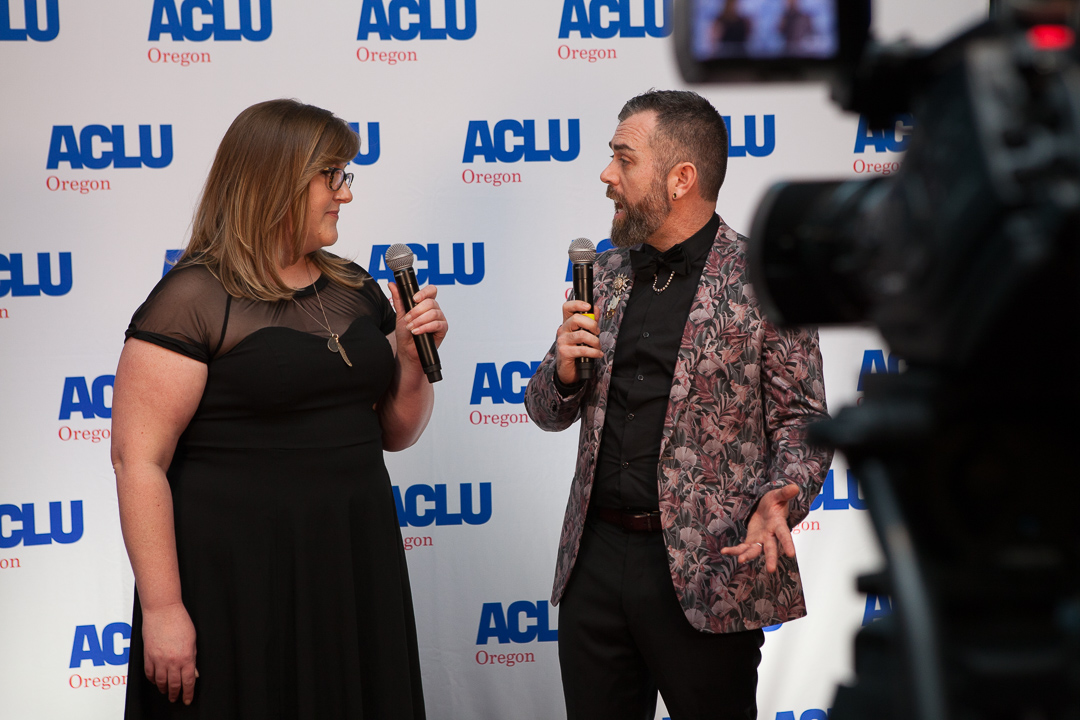
ACLU of Oregon, for instance, gave some of their big sponsors and partner organizations a few minutes on camera to talk about their work with ACLU and why they support the organization. Because much of their online audience was a younger base of supporters, they interviewed a student who is currently involved in litigation with the support of the ACLU of Oregon. And to give this audience a chance to support the work, they added a fundraising component to the livestream, so viewers also had the opportunity to give. Ultimately, a wider range of supporters were able to engage with the night and had a chance to see Angela Davis’ powerful keynote speech.

This is a case in which livestreaming was a great strategic choice, but it doesn’t work for every event. Consider your audience—in and out of the room—the resources required for this kind of event element and the draw of your program content.

Photos by KLiK Concepts

Similar Posts

Samantha Swaim Featured in OregonVoyager’s Hidden Gems Series

Samantha Swaim Featured in OregonVoyager’s Hidden Gems Series Swaim Strategies is deeply connected to our community in

Catch Fundraising Event Insights on The Fundraising Elevator Podcast

Recent episodes have tackled building community-centric events, the economics of philanthropy, the neuroscience of givin

The SIRTA Framework: The Neuroscience of Giving

What neuroscience teaches us about turning a room full of donors into a movement.