Case Study for Strategic Planning: How A Strategic Plan Turned 75 Guests Into $400,000

Beyond the Canvas: A Small, Curated Events Case Study

The Opportunity

The New Children’s Museum came to us with something rare: the opening of Saya Woolfalk’s Woodswoman: Earthseed, a participatory, Afrofuturist exhibition inspired by the work of Octavia E. Butler — and an artist willing to be present and engaged for an opening celebration.

The museum’s team knew this moment held fundraising potential beyond a typical opening. The question was how to design an evening worthy of the art, the artist, and the community around it.

Our recommendation: go smaller, go deeper, and lead with strategy.

The result: 75 guests, $400,000 raised, and a room full of adults given genuine permission to play.

This case study breaks down the strategic approach that made it possible.

Strategy: Plan the Money Before You Plan the Party

Most organizations plan events in the wrong order. They pick a date, book a venue, design invitations — and then, weeks out, scramble to figure out who’s actually going to give.

We build every strategic plan in reverse. Before a single design decision was made, we built the revenue architecture: a solicitation plan, a clear picture of who belonged in the room, dedicated time for outreach, and a targeted ask strategy. This is how we maximize ROI, focus staff time on the conversations that matter most, and design with a specific audience in mind.

Element 1: The Donor Prospect Map

We began with a comprehensive prospect mapping exercise in partnership with the museum’s development team, a group of exceptional relationship builders who knew their community deeply. With only 75 seats, every invitation was a strategic decision.

Together, we organized the guest list into tiers based on history, affinity, and relationship — from anchor supporters to first-time guests with strong alignment to the mission. For each guest, the map documented who held the relationship and what a successful evening looked like for that person: not just “attend,” but a specific connection, conversation, or introduction.

Why this matters: when the fundraising moment arrived the focus on relationships made every gift feel exciting and extraordinary. Leading with gratitude while understanding the room’s potential takes expertise — we engaged benefit auctioneer Kelly Russell to deliver the ask and ensure goals were both hit and celebrated.

Element 2: Table Hosts as Influencers

The single most under-leveraged asset at most fundraising events is the table itself. Our plan treated table hosts and sponsorships as the backbone of the revenue model:

Tiered table sponsorships secured a significant portion of revenue before the doors opened. Strategic seating placed the museum’s staff, curators, and board members among guests so that every hour of the evening was also building relationships. And the artist herself was included in the plan joining the presenting sponsor’s table and transforming the top sponsorship benefit from a logo placement into an experience.

The Operational Plan: A Run of Show Built Around Fundraising Psychology

A strategic plan isn’t just a spreadsheet, it’s a minute-by-minute program that moves guests emotionally toward mission. 

The Emotional Arc We Engineered

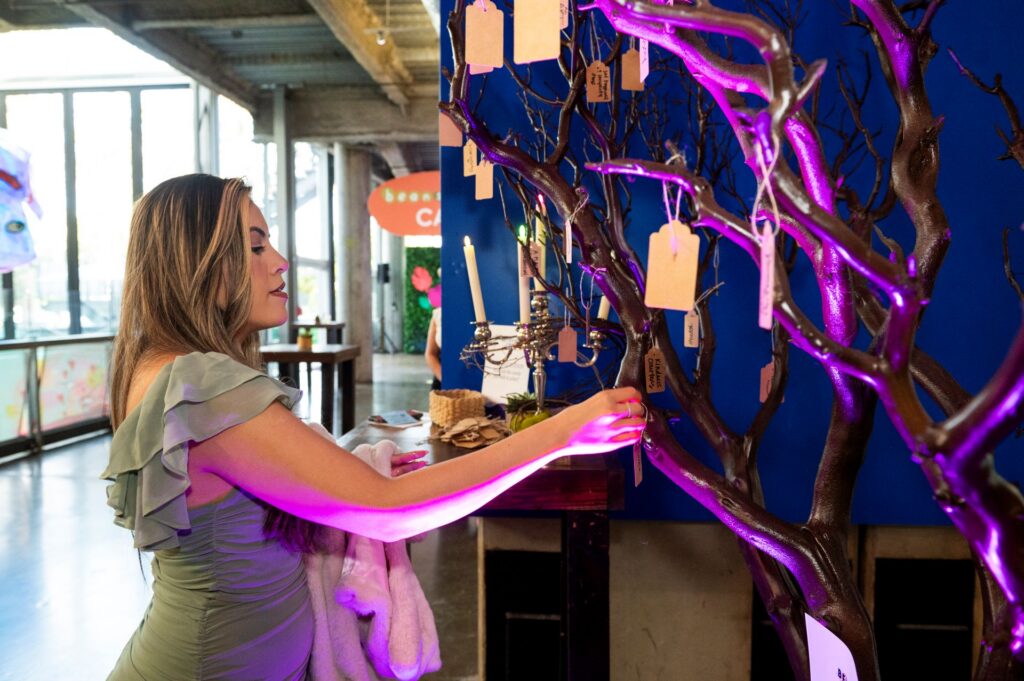
5:30 PM — Wonder. Guests crossed a threshold of cascading seed pods and glass beads, received seed packets holding their table assignments, created wearable art, and hung written intentions on an illuminated tree. Within five minutes of arrival, every guest had participated.

6:00 PM — Play and connection. The reception featured two themed bars, a seed-bead jewelry atelier, and food inspired by the artist’s themes of seed, growth, and stars. Adults are starved for play; giving them permission to make something with their hands created a joy no standard cocktail hour achieves.

6:30 PM — Hosting. A brief welcome, then a 3-minute film of the artist creating the exhibition.

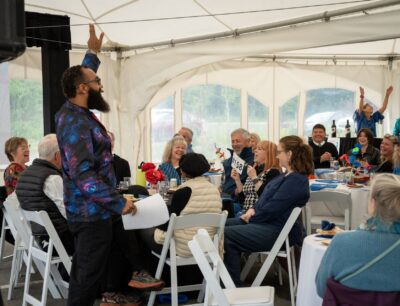
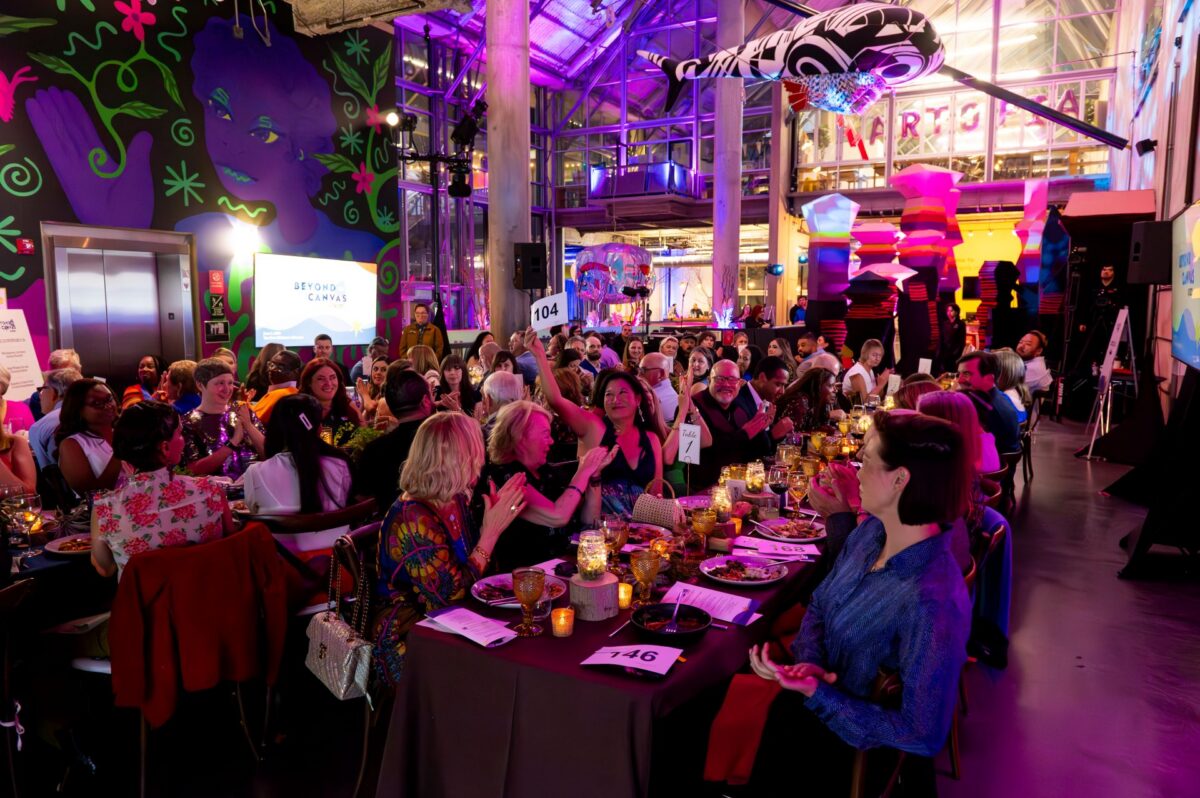
6:45–7:15 PM — Immersion in the mission itself. This is where we broke the rules. Dinner unfolded in three courses — “From Earth,” “Through Growth,” “To Stars” — with lighting transforming the room from root systems to forest canopy to cosmos. Between courses, guests rotated in groups of 25 through the exhibition with the artist herself: touching interactive elements, adding their marks to participatory pieces, exploring with genuine play. We watched board members giggle inside the installation. Every guest had intimate artist access and returned to find their next course plated and waiting.

7:15 PM — The ask. A short film about the artist’s experience working with the museum, then an introduction of our fundraising host. By the time Kelly said, “Now we have a chance to plant something together,” guests had touched the mission with their own hands. Early gifts were announced first, creating momentum and the room showed up in a big way.

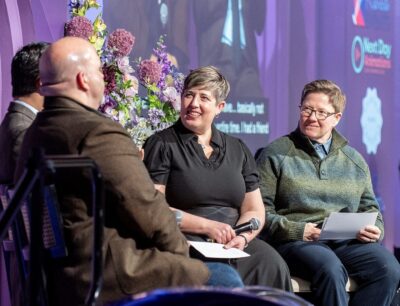
7:45 PM — Meaning. A 20-minute moderated conversation with the artist connected the evening’s experience to the museum’s larger purpose.

8:15 PM — Joy. Three after-party zones let guests celebrate in whatever mode suited them: karaoke, whiskey tasting, and more time in the exhibition to play and explore.

The Planning Timeline

The full strategic plan compressed execution into a disciplined 6-month timeline, with fundraising milestones leading production milestones at every stage. We did prospect mapping and revenue modeling first, sponsors secured early to unlock budget confidence, invitations mailed 14 weeks out, weekly pipeline reviews, seating strategy and full tech rehearsal in the final month, and thank-you calls within 48 hours of the event.

Every week had defined revenue targets alongside production tasks. The team always knew whether they were on pace, and where to focus if they weren’t.

The Results

$400,000 raised from 75 guests.

Diverse revenue: sponsorships, host committee, ticket sales, pre-committed pledges, and a paddle raise.

A paddle raise that exceeded projections, powered by an emotionally engineered evening and executed by skilled benefit auctioneer Kelly Russell.

Lasting connection: donors left wearing jewelry they made and carrying seeds to plant at home. The conversations continued long after the evening ended.

What This Case Study Demonstrates About Strategic Planning

  1. Revenue architecture comes first. A prospect map, a modeled guest list, and secured table hosts mean you know where the money is before you spend a dollar on décor.
  2. Small rooms can outperform big ones — and cost less. Curation is an opportunity to cultivate your audience.
  3. The run of show is a fundraising instrument. Sequencing wonder, play, connection, and meaning — with the ask built into the peak of the guest energy arc — maximizes generosity.
  4. Staff time should follow the plan, not the panic. With asks mapped and assigned in advance, a team spends event night on high-value conversations instead of triage. The museum’s development staff — already gifted relationship builders — were freed to do what they do best.
  5. Mission-immersion beats mission-messaging. Guests who touch the work don’t need to be convinced of its value. The evening made the case; the museum simply extended the invitation.
  6. A detailed plan is what makes spontaneity possible. The evening felt effortless and alive precisely because the timeline, transitions, staffing, and contingencies were locked weeks in advance.


Why Strategic Planning?

Octavia Butler wrote, “All that you touch, you change. All that you change, changes you.”

Strategic planning is how you decide, deliberately, what your guests will touch and who they’ll become because of it. Seventy-five guests touched this mission for one evening. They left as investors, ambassadors, and community. The $400,000 was the result and the plan was the seed.

Ready to build a strategic plan that makes every seat, every minute, and every ask count? Let’s talk about what a curated, mission-centered event could do for your organization.

Photos by Megan Oussett Photography

Similar Posts

Free Download: A Step-by-Step Guide to Organizing a Charity Golf Tournament

Golf tournaments are great for connecting with donors, building relationships and securing fundraising dollars. Here’s

8 Trends Shaping Smarter, More Successful Golf Fundraisers

Discover the top trends shaping golf fundraisers, from sponsor engagement and event technology to player experience, imp

Recapping Elevate 2026, the Year’s Hottest Fundraising Events Conference

Recapping Elevate 2026, the Year’s Hottest Fundraising Events Conference Over two incredible days in Portland, Oregon,